Wine Category
Opus One Wine: The Legendary Napa Bordeaux Blend That Rewrote California Fine Wine
Jul
Opus One Wine: The Legendary Napa Bordeaux Blend That Rewrote California Fine Wine
In 1979, two of the most influential figures in the history of fine wine shook hands on an idea that seemed either visionary or reckless, depending on who you asked.
Robert Mondavi — the man who had single-handedly put Napa Valley on the world’s fine wine map — and Baron Philippe de Rothschild — the proprietor of Château Mouton Rothschild, a Bordeaux First Growth we profiled in our complete Bordeaux First Growth buying guide → — agreed to create a wine together. Not a collaboration in the modern marketing sense. A genuine joint venture: one estate, one team, one wine, drawing on the deep Bordeaux heritage of the Baron and the Napa Valley mastery of Mondavi.
The result was Opus One wine. And it changed everything.
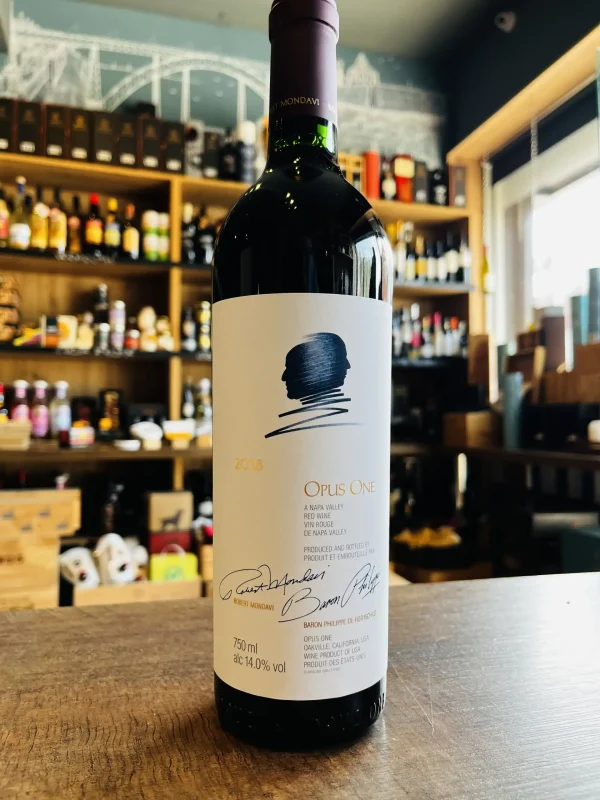
Opus One wine did not merely succeed — it created a category. Before Opus One, California wine was not taken seriously in the context of the world’s greatest wines. After Opus One, Napa Valley Cabernet Sauvignon was a permanent fixture in the fine wine conversation — a legitimate peer to Bordeaux, not a regional curiosity hoping for recognition. The wine that came from that 1979 handshake became the most important single bottle in the history of American fine wine. And in 2025, it remains one of the most sought-after, most actively collected, and most compelling investment-grade wines produced outside of Europe.
This is the complete guide to Opus One wine — the history, the winemaking, every vintage explained, current prices, the investment case, and exactly how to buy online with total confidence.
The Partnership That Made Opus One Wine Possible
The story of Opus One wine is inseparable from the story of the two men who created it — and understanding their backgrounds explains everything about what the wine was designed to be.
Robert Mondavi had spent decades elevating California wine, pioneering the belief that Napa Valley could produce wines capable of standing alongside the greatest in the world. Baron Philippe de Rothschild brought with him the prestige and winemaking philosophy of one of Bordeaux’s most celebrated estates — Château Mouton Rothschild, the First Growth he had elevated through decades of meticulous attention to quality and the famous artistic label series. The Rum Lab
Their vision for Opus One wine was explicit from the beginning: a wine that would bring together the best of both worlds — the power, fruit concentration, and climatic consistency of Napa Valley Cabernet Sauvignon, and the elegance, structural precision, and blending philosophy of the great Bordeaux Maisons. Neither a California wine trying to taste French, nor a French wine trying to taste Californian — but something genuinely new, rooted in its specific Oakville terroir and refined by two of the wine world’s most demanding production philosophies simultaneously.
The first vintage of Opus One wine was 1979, released in 1984 at $50 per bottle — an unheard-of price for a California wine at the time. It sold out immediately. The first commercial release demonstrated that there was an audience prepared to pay First Growth Bordeaux prices for a Napa Valley wine of comparable ambition, and it established Opus One as the benchmark for California luxury wine from the moment of its first appearance on the market. The Rum Lab
Today, Opus One wine is produced at a custom-built gravity-flow winery in Oakville — a circular, partially underground structure designed specifically to allow wine to move by gravity rather than pump throughout production, preserving the delicacy and precision that mechanical handling would compromise. The estate farms 170 acres of Oakville vineyards, manages every step of production from vine to bottle, and releases Opus One wine only in vintages where the team is satisfied the wine meets the standard the partnership established in 1979.
What Opus One Wine Tastes Like: The Complete Flavour Profile
Opus One wine is a Bordeaux-style blend dominated by Cabernet Sauvignon, with Merlot, Cabernet Franc, Petit Verdot, and Malbec in supporting roles — proportions that vary by vintage depending on what the growing season produced. This is not a formula. It is a decision made fresh each year by a winemaking team committed to the best expression of the specific harvest rather than consistency for its own sake.
Opus One wine is described across vintages as deeply aromatic and complex, with dark fruit — blackcurrant, dark cherry, plum — complemented by notes of cedar, graphite, dark chocolate, and the distinctive Oakville cassis character that no other Napa Valley sub-appellation produces with the same intensity. The texture is characteristically plush, with tannins of remarkable fineness — not the aggressive, gripping tannins of lesser Napa Cabernets, but the kind of polished, integrated structure that requires decades to develop and reflects the Bordeaux blending philosophy at the heart of Opus One wine’s DNA. Statista
The evolution of Opus One wine in the glass and in the cellar follows a predictable but always rewarding arc:
Young Opus One wine (0–10 years from vintage): Concentrated, somewhat closed, with primary dark fruit dominating over the secondary complexity that time will develop. Decanting for 3–4 hours is essential to open the wine at this stage. The Oakville fruit intensity is immediately apparent — this is not a shy or restrained wine in youth — but the full complexity requires patience.
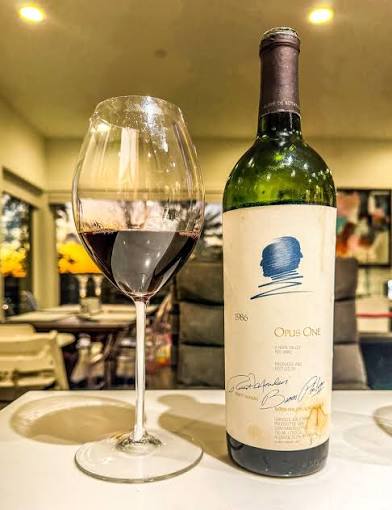
Developing Opus One wine (10–20 years from vintage): The primary fruit begins to integrate with secondary notes of cedar, tobacco, leather, dried fig, and the first hints of tertiary complexity. This is where the Bordeaux blending philosophy becomes most audible — Opus One wine at 15 years old begins to taste like what it was always designed to be: a bridge between Old World elegance and New World intensity.
Mature Opus One wine (20+ years from vintage): The finest Opus One wine vintages — 2002, 2007, 2013, 2016, 2018 — enter a dimension of complexity at 20+ years that makes the investment case for buying young and cellaring extremely compelling. Tertiary notes of truffle, forest floor, incense, aged tobacco, and a deep, almost weightless complexity emerge in wines that have been properly stored throughout their development.
Opus One Wine Price Guide 2025: Every Vintage Explained
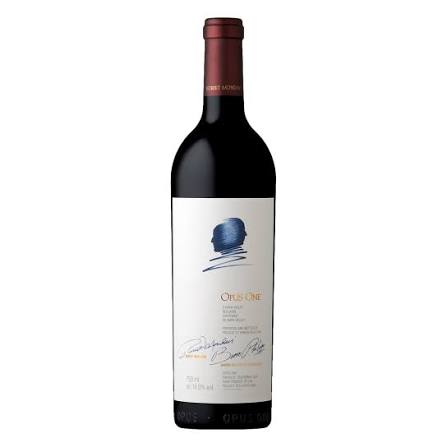
The Opus One wine price in 2025 reflects both the vintage quality variation within the range and the broader fine wine market dynamics of the past three years. Here is the complete vintage guide:
Current release vintages (primary market):
| Vintage | Critical Score | Price at Noir Cellars | Drinking Window |
|---|---|---|---|
| 2021 | 96/100 | From $380 | 2026–2055 |
| 2020 | 97/100 | From $400 | 2027–2058 |
| 2019 | 98/100 | From $420 | 2027–2060 |
| 2018 | 99/100 | From $450 | 2028–2065 |
| 2017 | 95/100 | From $350 | 2025–2050 |
| 2016 | 98/100 | From $480 | 2026–2060 |
Secondary market / back vintages (selected):
| Vintage | Critical Score | Price Range | Notes |
|---|---|---|---|
| 2013 | 98/100 | $650–$850 | Now entering peak drinking window |
| 2007 | 97/100 | $700–$900 | Exceptional secondary market demand |
| 2002 | 96/100 | $750–$950 | Fully mature, extraordinary complexity |
The Opus One wine price has remained remarkably resilient through the fine wine market correction of 2022–2024. Where many Bordeaux First Growth vintages experienced price softening of 10–20%, Opus One wine’s secondary market has held closer to flat — reflecting both the wine’s strong American collector base and the global recognition that its Oakville terroir and production standards have earned.
For current availability and pricing across all vintages, visit our Fine Wine Napa Valley collection at Noir Cellars → or contact our concierge team at concierge@noircellars.com.
The Best Opus One Wine Vintages to Buy Right Now
Opus One 2018 — The Critical Pinnacle
The 2018 vintage is, by the broadest critical consensus, the finest Opus One wine produced in the modern era. A growing season of near-perfect warmth and dry conditions through harvest delivered Cabernet Sauvignon of extraordinary concentration and phenolic maturity — producing an Opus One wine of compelling depth, impeccable tannin integration, and a finish that the winemaking team themselves describe as the most complete in the estate’s history.
With 99 points from James Suckling and equally superlative scores from Wine Advocate and Wine Spectator, Opus One 2018 represents the strongest investment case in the current range — a wine built for drinking from 2028 through 2065, with the structural backbone to evolve magnificently over four decades of proper cellaring.
Price at Noir Cellars: from $450 | Buy Opus One 2018 →
Opus One 2019 — The Elegant Follow-Up
The 2019 growing season in Napa brought a cooler, more measured summer compared to the heat of 2018 — and the resulting Opus One wine reflects that difference with a more Bordeaux-like elegance and restraint. Where the 2018 leads with power and concentration, the 2019 Opus One wine leads with aromatic precision and a finesse that makes it the more immediately rewarding choice for buyers who want to open bottles in the next five to ten years.
At 98 points and currently priced from $420 at Noir Cellars, the 2019 Opus One wine represents an excellent value proposition relative to the 2018 at a critical score of only one point lower.
Price at Noir Cellars: from $420 | Buy Opus One 2019 →
Opus One 2016 — The Collector’s Investment Vintage
The 2016 Opus One wine sits at what the secondary market increasingly recognises as the most important modern vintage for the estate after 2018. A dry, warm growing season produced a wine of enormous ageing potential — deep, structured, and currently showing the kind of brooding primary fruit intensity that will not begin to reveal its full complexity until the late 2020s.
At 98 points and priced from $480, the 2016 Opus One wine is the most compelling long-term investment vintage currently available. Buyers who put it away until 2030 and beyond will be rewarded with a wine that has continued to develop in ways the earlier drinking vintages cannot sustain. Compare the 2016 with our Château Margaux 2016 analysis → — both are landmark 2016 expressions from their respective regions.
Price at Noir Cellars: from $480 | Buy Opus One 2016 →
Opus One 2013 — The Drinking Window Masterpiece
For buyers who want to open Opus One wine now — or within the next three to five years — the 2013 vintage is the most rewarding currently available on the secondary market. Fully into its drinking window, the 2013 Opus One wine is showing exactly the complexity and development that the estate’s production philosophy was designed to produce: cedar, dark cherry, tobacco, dark chocolate, and the characteristic Oakville cassis in full, generous expression.
At 98 points and trading from $650 on the secondary market, the 2013 Opus One wine represents a meaningful premium over current release vintages — but the premium is for immediacy, confirmed quality, and the experience of drinking Opus One wine at its first peak rather than projecting forward from youth.
Enquire about Opus One 2013 at Noir Cellars →
Opus One Wine vs Bordeaux First Growth: The Honest Comparison
The comparison that defines Opus One wine — and the one its founders intended — is against the great Bordeaux estates. How does it actually compare in 2025?
The honest answer is that Opus One wine competes at the Bordeaux First Growth tier on quality but distinguishes itself through its Napa Valley character — a warmer, more immediately fruit-forward expression than the classic Médoc style, with more approachable tannins in youth and a somewhat shorter peak window for most vintages.
Where a bottle of Château Latour 2016 may not begin to express its full complexity until 2035 or later, Opus One wine 2016 is structured for first serious drinking from 2026 — a decade earlier. For buyers who want the prestige, quality, and investment characteristics of First Growth Bordeaux at earlier drinking windows and at a meaningfully lower per-bottle price, Opus One wine is the most compelling answer available.
For buyers comparing Opus One wine against other great American cult Cabernets — Screaming Eagle, Harlan Estate, and the broader Napa luxury tier — explore our Fine Wine Napa Valley collection → for full comparisons across every available expression.
Opus One Wine as an Investment: What the Numbers Show
Opus One wine has demonstrated one of the most consistent investment track records of any non-European fine wine — a function of its global brand recognition, its deep American collector base, and the production standards that deliver consistent 96–99 point critical acclaim across vintages.
The secondary market for Opus One wine is the deepest of any Napa Valley producer — broader than Screaming Eagle (whose ultra-tiny production creates illiquidity at scale) and more reliably active than many cult Napa producers whose secondary market depends on a narrower collector base. For fine wine investors who want Napa Valley exposure with reliable exit options, Opus One wine is the first name on the list.
Key investment principles for Opus One wine:
Buy the highest-scored vintages on release. The 2018 at 99 points and the 2019 at 98 points both represent investment-grade quality that secondary market pricing will reflect as the wines approach their drinking windows. Buying on release and holding 10–15 years has consistently generated returns in the Opus One wine market.
Prioritise case format over individual bottles. Original wooden case stock with complete documentation commands a secondary market premium and provides the provenance integrity that serious buyers require. For investment-grade Opus One wine purchases, always specify OWC at ordering.
Consider the Overture (second label) as a portfolio complement. Opus One produces a second wine — Overture — from declassified fruit that does not make the grand vin selection. Overture is not an investment wine but provides an accessible entry point for buyers who want the Opus One wine winemaking philosophy at a lower price point. Browse Overture at Noir Cellars →
For portfolio context, read our complete fine wine investment guide → alongside our Pétrus wine price guide → and our Bordeaux First Growth buyer’s guide →.
Opus One Wine Food Pairing: Matching the Ambition of the Glass
Opus One wine’s Bordeaux-style structure and Napa Valley fruit intensity make it one of the most food-compatible fine wines produced in the New World — capable of handling preparations that would overwhelm less structured wines while rewarding the kind of serious culinary attention the bottle itself demands.
Classic pairings that always deliver:
- Dry-aged beef fillet or ribeye — the wine’s tannin structure and dark fruit intensity find their natural counterpart in the savoury depth of aged beef
- Roasted rack of lamb with herbs — the cedar and dark cherry character of Opus One wine creates a classic Bordeaux-style lamb harmony that younger vintages deliver with particular clarity
- Duck breast with cherry reduction — the wine’s fruit concentration mirrors and complements the rich, savoury character of duck beautifully
- Aged hard cheeses — a 36-month Comté or aged Manchego provides the fat and complexity to match the wine’s structure without competing with its fruit
For mature Opus One wine vintages (2013 and earlier):
Truffle-forward preparations — risotto with black truffle, roasted chicken with morel cream, or simply a great truffled cheese — echo the tertiary complexity that develops in mature Opus One wine with extraordinary harmony.
For gifting occasions where Opus One wine is the centrepiece, visit our complete gifts collection → and our Champagne gift delivery guide → for presentation and packaging options across the full Noir Cellars fine wine range.
How to Buy Opus One Wine Online: The Essential Checklist
Verify full provenance documentation. At $350–$480 per bottle for current vintages, Opus One wine deserves the same provenance rigour as any First Growth Bordeaux. Purchase invoice from an authorised retailer, continuous cold-chain storage history, and original wooden case integrity are non-negotiable.
Confirm temperature-controlled shipping. Opus One wine shipped without thermal protection risks permanent damage to the phenolic structure that makes it worth buying. Every Noir Cellars order ships in thermally insulated, specialist wine packaging with full insurance cover.
Buy from a specialist retailer with authorised supply. Opus One wine is available through an authorised distribution network — meaning stock sourced outside that network cannot carry the same provenance guarantees. Noir Cellars sources all Opus One wine through authorised fine wine channels.
Check vintage availability before enquiring. The most sought-after Opus One wine vintages — 2018, 2016, 2013 — sell through quickly and are not always available at primary market prices. Contact our concierge team early for the best selection.
Buy Opus One wine at Noir Cellars → — multiple vintages, full provenance, temperature-controlled storage, insured worldwide delivery. Contact concierge@noircellars.com for current vintage availability and case pricing.
Frequently Asked Questions
What is Opus One wine?
Opus One wine is a Bordeaux-style Cabernet Sauvignon blend produced in Oakville, Napa Valley — the result of a landmark partnership between Robert Mondavi and Baron Philippe de Rothschild of Château Mouton Rothschild, first established in 1979. It is widely considered the most important single wine in the history of California fine wine and consistently earns critical scores of 95–99 points across vintages. It is produced at a purpose-built gravity-flow winery in Oakville and released in a single grand vin expression — with a second wine, Overture, absorbing declassified fruit.
How much does Opus One wine cost?
Current release Opus One wine vintages are priced from $350 to $480 at Noir Cellars depending on the vintage year and critical acclaim. The 2018 at 99 points is the highest-priced current release at from $450. Secondary market back vintages — 2013, 2007, 2002 — range from $650 to $950 depending on vintage and condition. For current pricing across all available vintages, visit our Fine Wine Napa Valley collection →.
Which is the best Opus One wine vintage to buy?
For investment and long-term cellaring, the 2018 at 99 points is the standout — the finest Opus One wine produced in the modern era by critical consensus. For buyers who want to open bottles within five years, the 2013 at 98 points is fully in its drinking window and showing exceptional complexity. For the best current-release value, the 2017 at 95 points and from $350 provides excellent Opus One wine quality at the most accessible price in the range.
Is Opus One wine a good investment?
Yes — Opus One wine has one of the most consistent secondary market investment track records of any non-European fine wine producer. The combination of global brand recognition, deep American collector base, consistent 95–99 point critical acclaim, and reliable secondary market liquidity makes it one of the strongest investment-grade wine options available outside Bordeaux and Burgundy. Read our fine wine investment guide → for detailed portfolio analysis.
How does Opus One wine compare to Bordeaux First Growth?
Opus One wine competes at the Bordeaux First Growth quality tier at a significantly lower per-bottle price — typically one third to one quarter of the Pétrus wine price and approximately half the price of the major Left Bank First Growths in equivalent vintages. Read our Pétrus wine price guide → and Bordeaux First Growth buyer’s guide → for full comparisons.
What grape varieties are in Opus One wine?
Opus One wine is a Bordeaux-style blend dominated by Cabernet Sauvignon — typically 75–85% depending on vintage — with the remainder comprising Merlot, Cabernet Franc, Petit Verdot, and Malbec. The blend proportions vary by vintage based on what the growing season produced rather than a fixed formula, reflecting the Bordeaux blending philosophy at the heart of the wine’s production.
Where can I buy Opus One wine online?
Noir Cellars stocks Opus One wine across multiple vintages with full provenance documentation, temperature-controlled storage from receipt, and insured worldwide delivery. Visit noircellars.com/fine-wine/napa-valley → or contact our concierge team at concierge@noircellars.com for vintage availability, case pricing, and bespoke sourcing on specific vintages.
Opus One wine is available now at Noir Cellars across all major current and back vintages — with full provenance documentation, temperature-controlled storage, and insured worldwide delivery. Visit noircellars.com/fine-wine/napa-valley or contact our concierge team at concierge@noircellars.com.